

The contrarian: no automatic modes

When it comes to photography, I try as much as I can to avoid the automatic modes. What do I mean by “as much”? I mean that in certain cases, when using digital cameras, I use the semi-automatic modes, I don’t always use manual. Let’s have two examples.
When shooting events or commercial, I always use manual mode because in this way I can control everything.
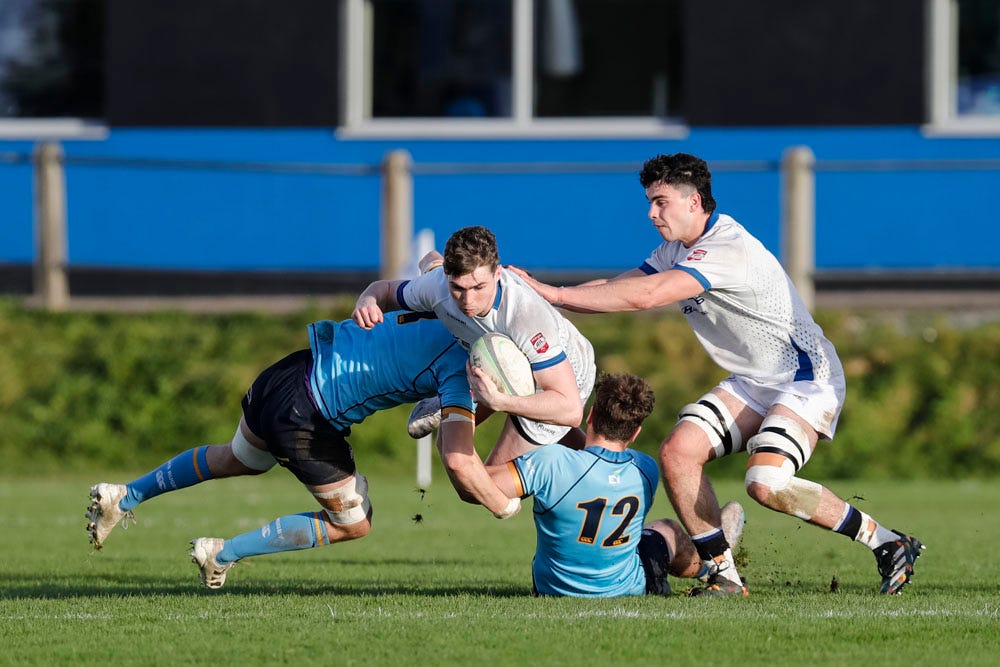
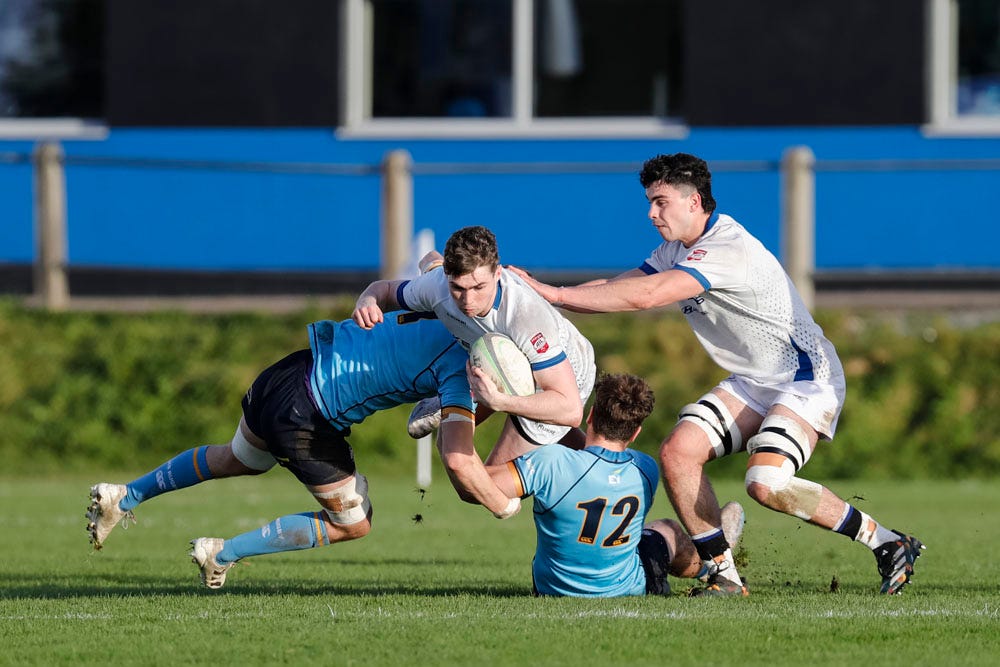
When shooting sport action, I use the AV mode as I want to separate the players from crowds or distracting backgrounds and I don’t have time to change the settings for every single frame.
Before I got the Canon AE-1 film camera, I read a few reviews and many of them were praising the automatic mode found on the camera: “All you have to do is focus, camera will take care of the rest” were saying. Me, being a skeptic, I avoided using the automatic mode until a few weeks ago when I said I’ll give it a go. So, I did a very simple exercise: I took a photo on automatic mode, then I took the same photo (more or less) in manual mode based on the readings from my light meter app on the phone. The difference in the results is huge as you can see from the following images.
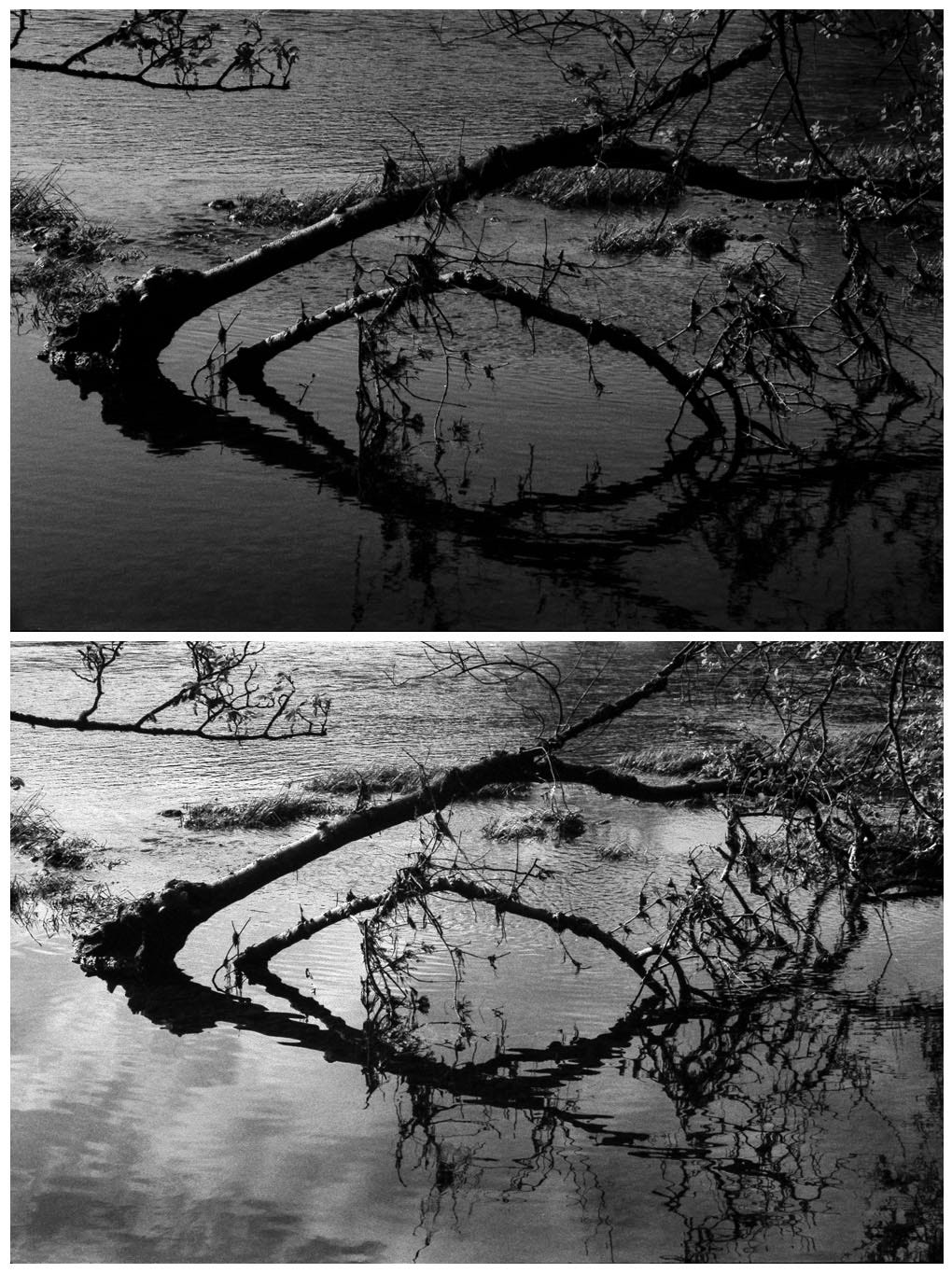
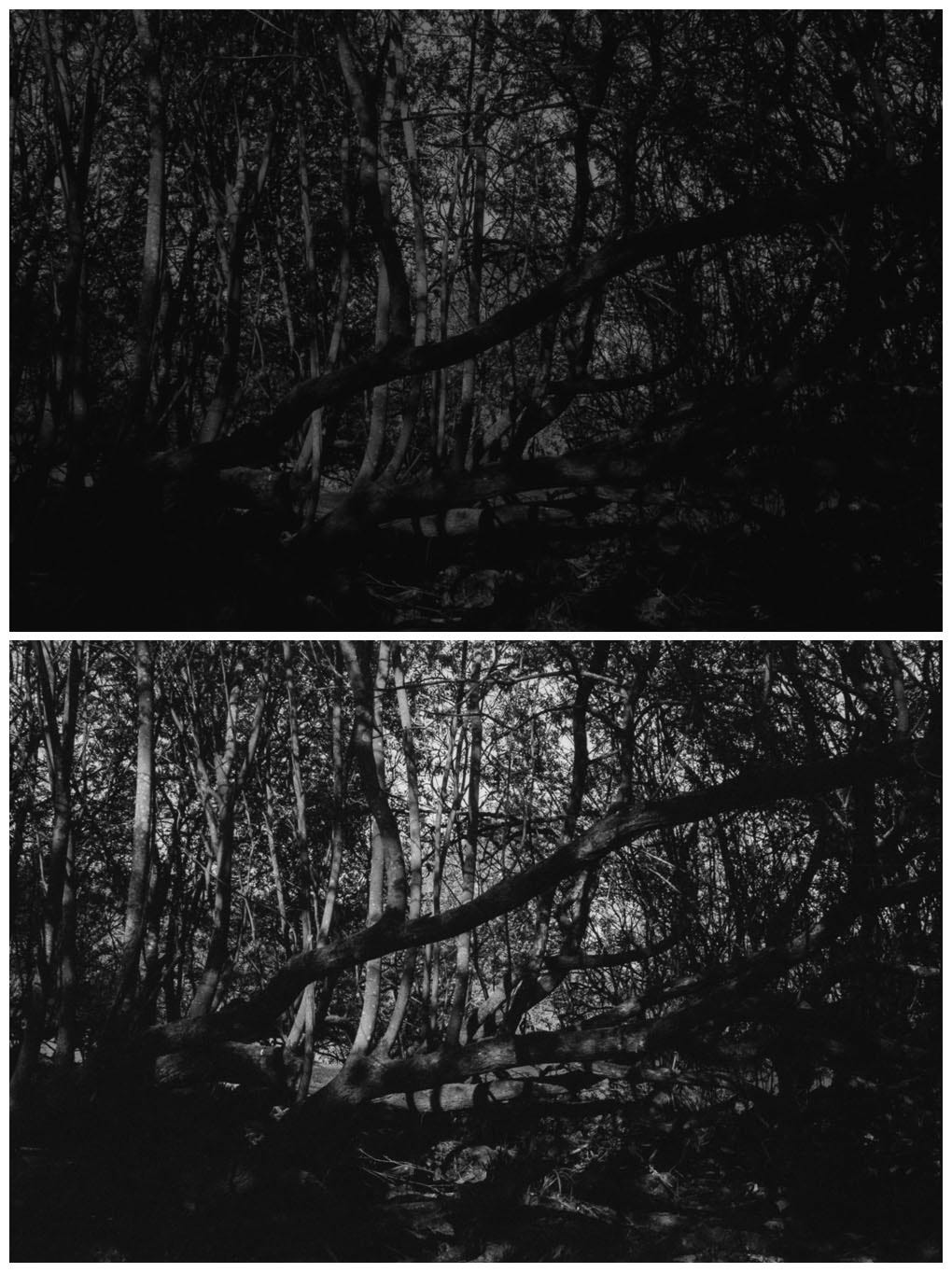
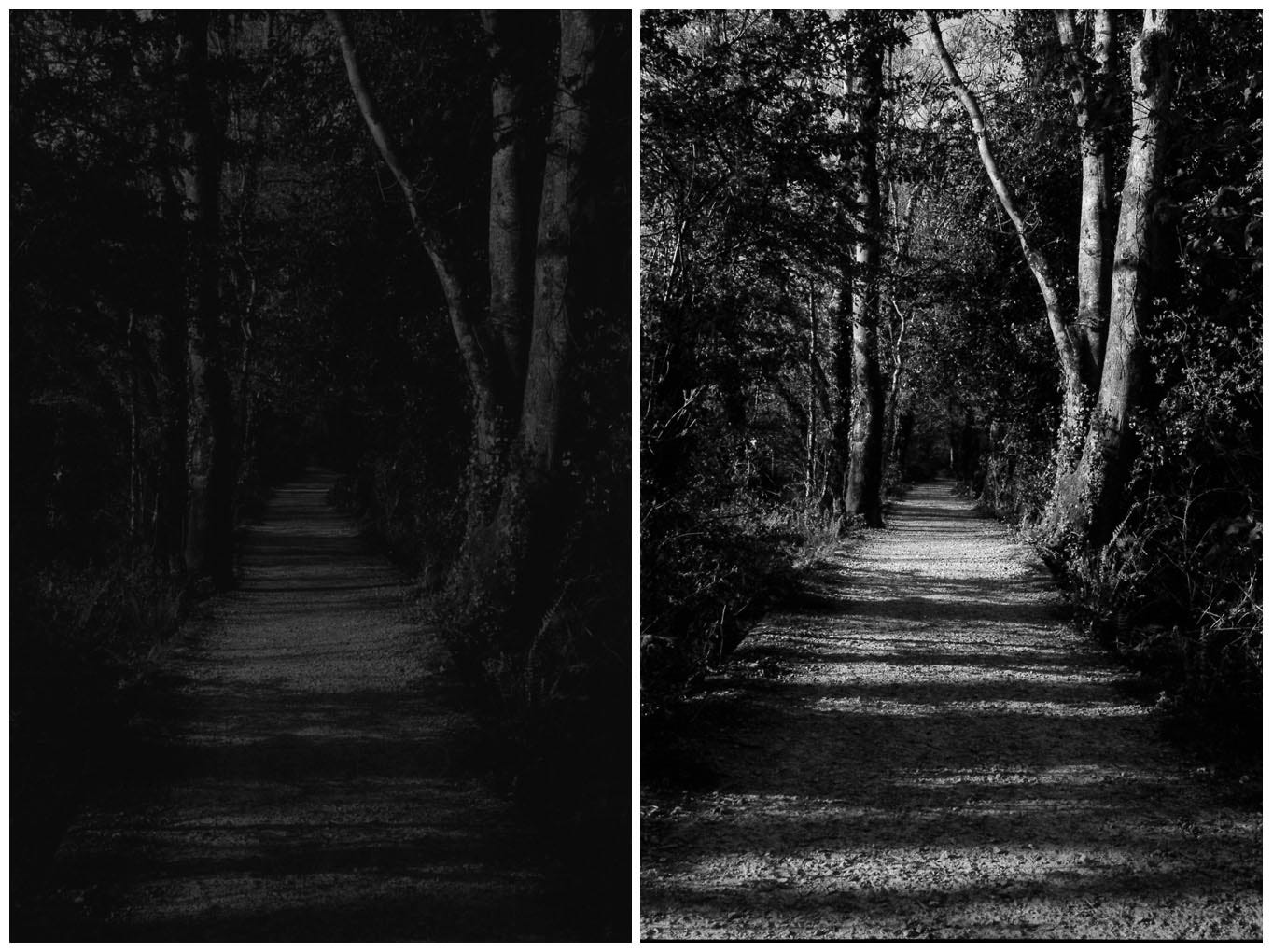
In conclusion, the automatic modes are not for me, I was never happy with their results. It is worth mentioning that none of the photos were edited in any way, they are exactly as they came from the scanner.
I blend automatic and manual in different ways, as of today. While I use manual mode to set shutter and aperture, the camera will adjust ISO for the rest (I don’t do this in studio shooting, where I add my own light). Then I make heavy use of exposure compensation to get what I want.
It works for me with action and wildlife especially, where I know how much I’d like to stop the action and what DOF I’d like. If I know I’ll be in high ISO situations I’ll periodically check that, to see if it will cause me to back off on shutter speed or something.
In the end it’s similar to using fully manual, but not identical.
Wow, what a difference it makes!