

Almost infrared

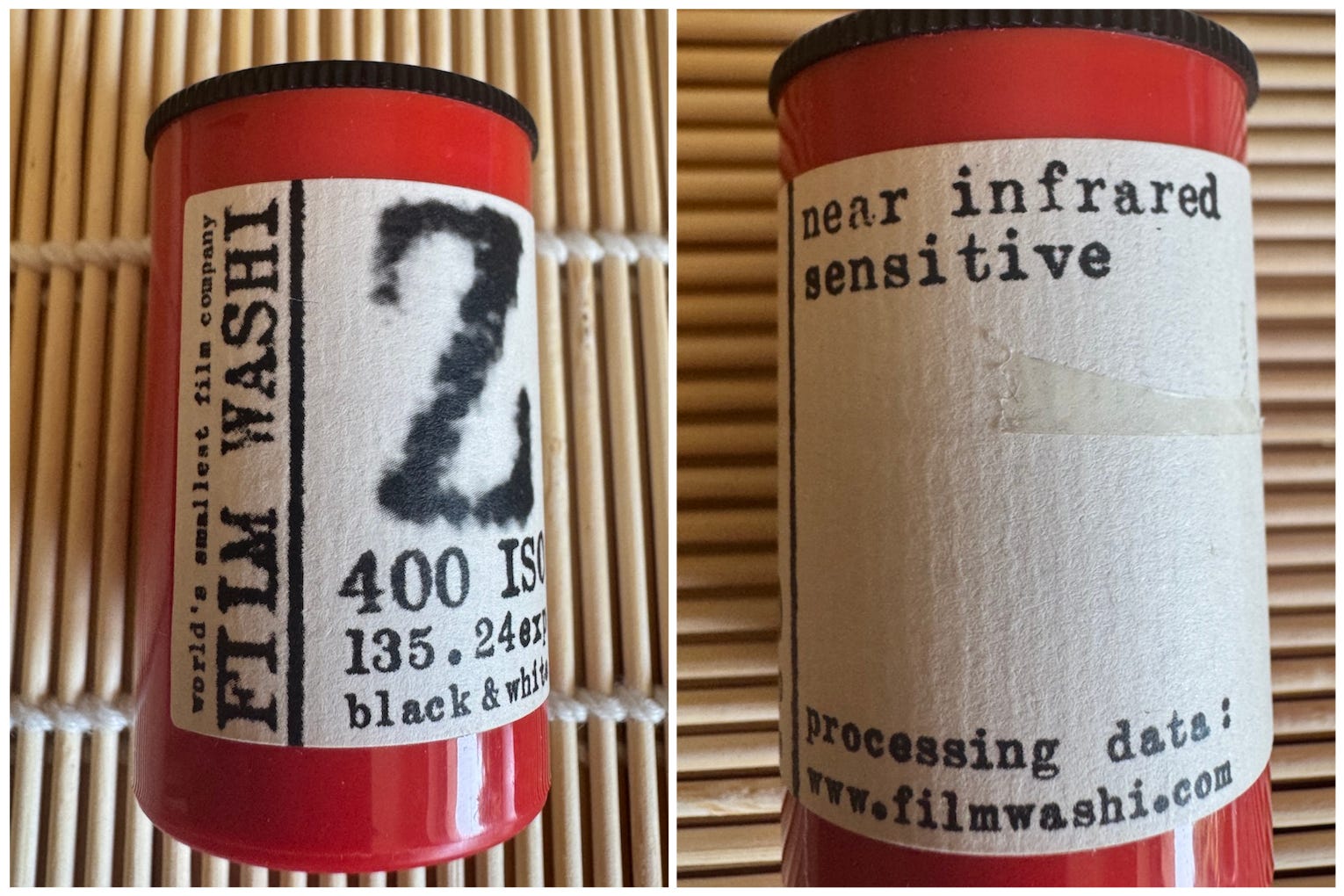
The Film Washi company produces a film that is marketed as “near infrared sensitive”. From marketing point of view, that sounds good but I can’t get my head around it. To me the film is either infrared or is not, there is no middle way. At FIFA World Cup, one doesn’t qualify by “almost scoring a goal”, it’s a goal or not.
Things are not that simple though. Let’s look at SFX, an infrared film made by Ilford. In order to capture infrared photos, the film is not enough, an infrared filter of minimum 720nm is required. What happens if we use the film without the filter? Nothing, we get “normal” b&w photos.
A red filter has a wave length of around 600nm. If we use a red filter with a film that is not rated infrared, like HP5, do we get infrared photos? No way! Yes, we can see the effect of the filter but photos won’t be infrared. So what happens if we use the SFX infrared film with just a red filter? Are we getting “almost infrared” photos?
Please tell me your opinion in the comments.
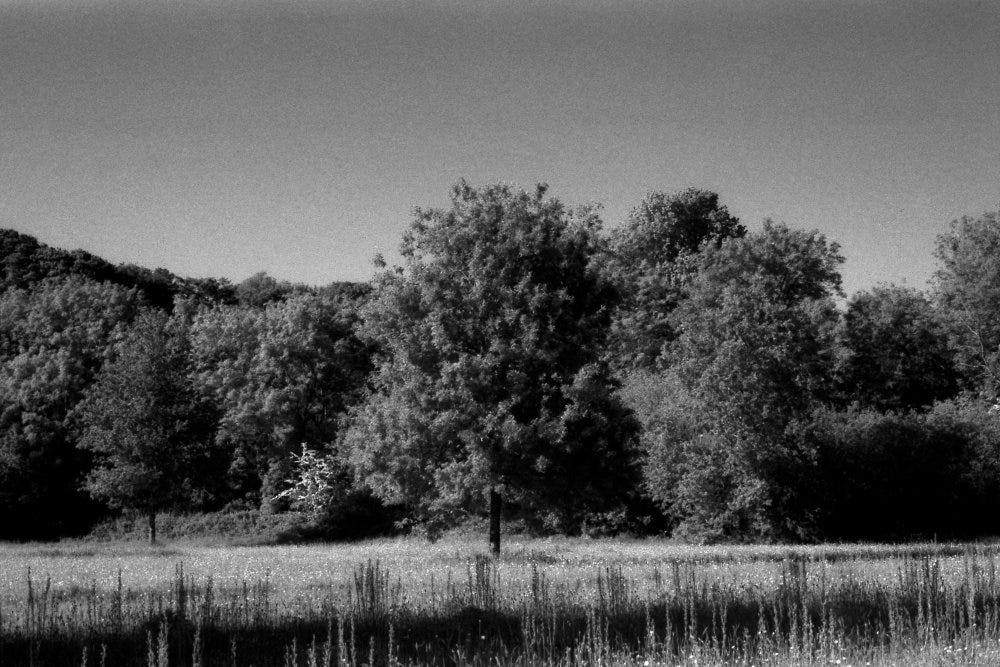
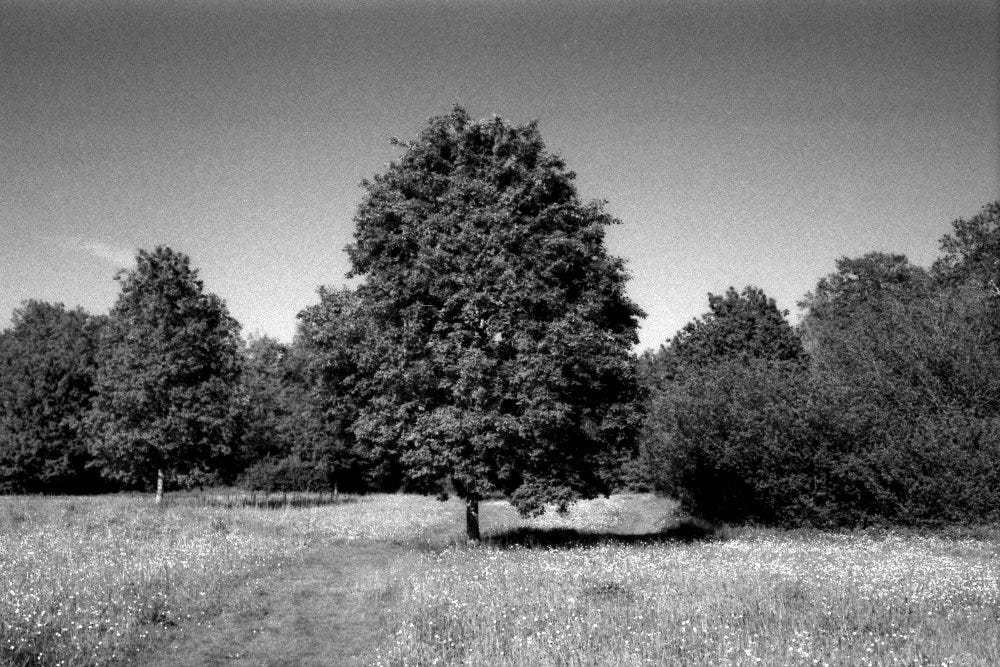
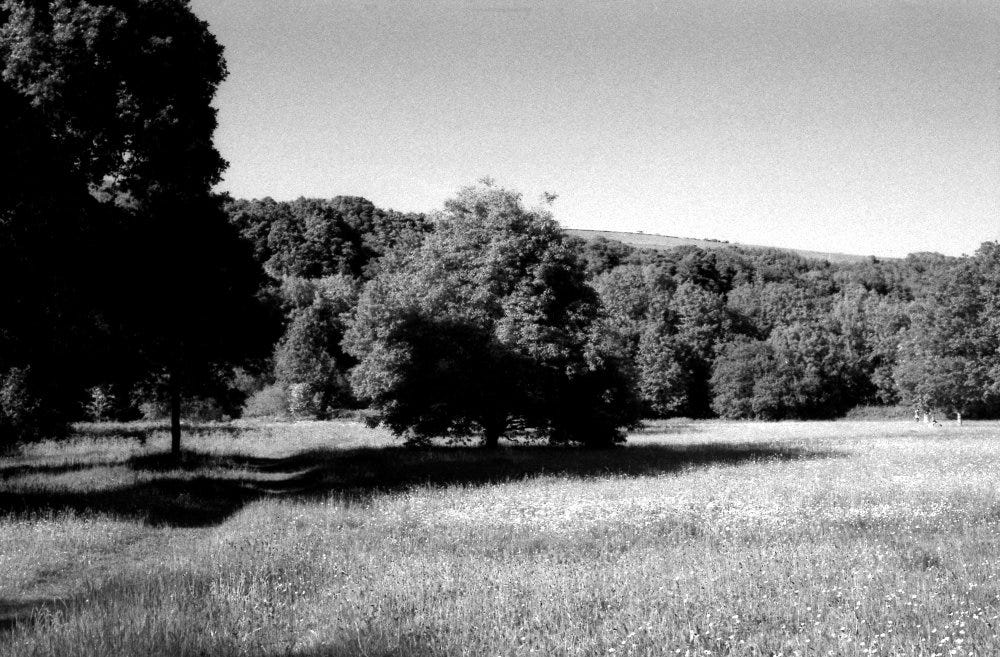
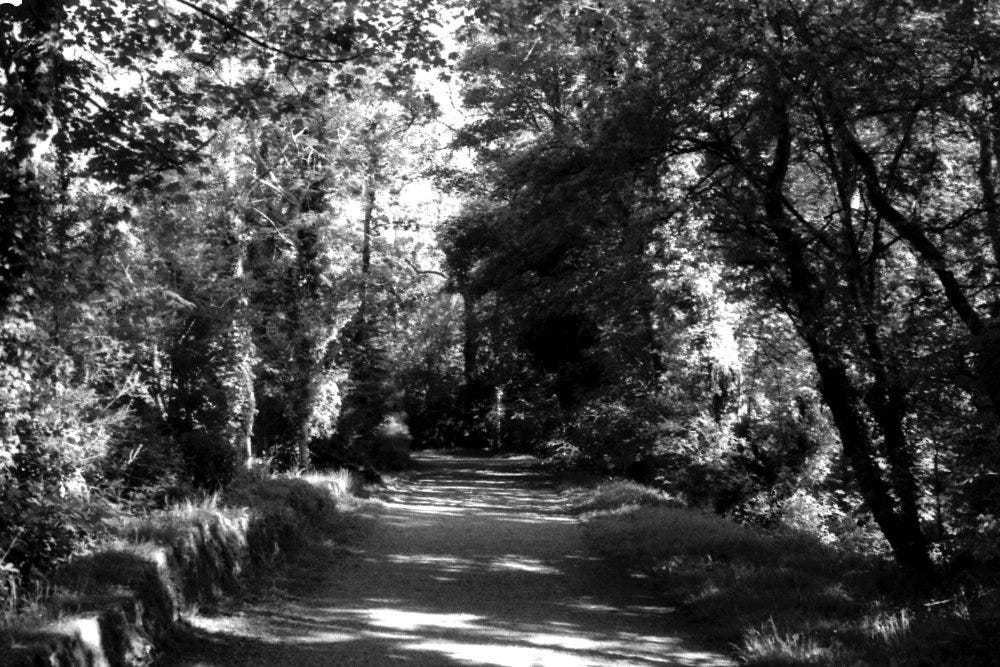
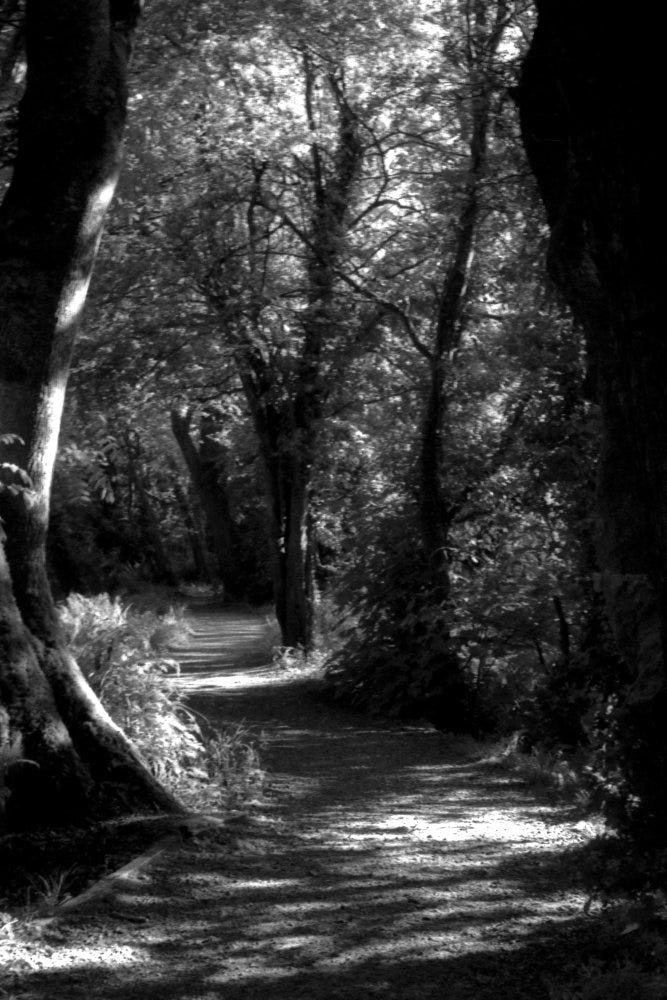
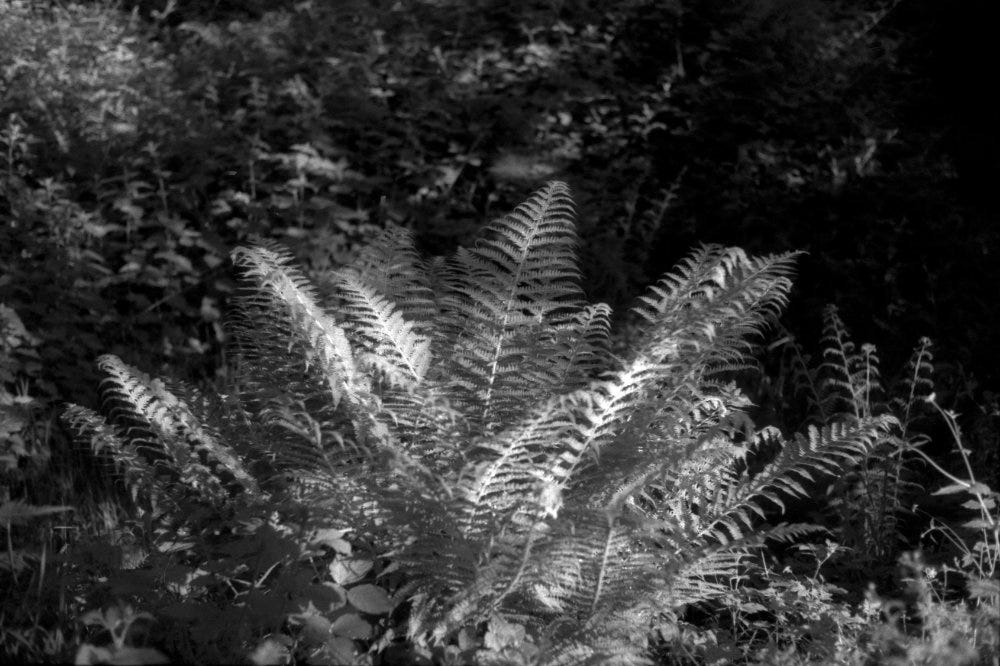
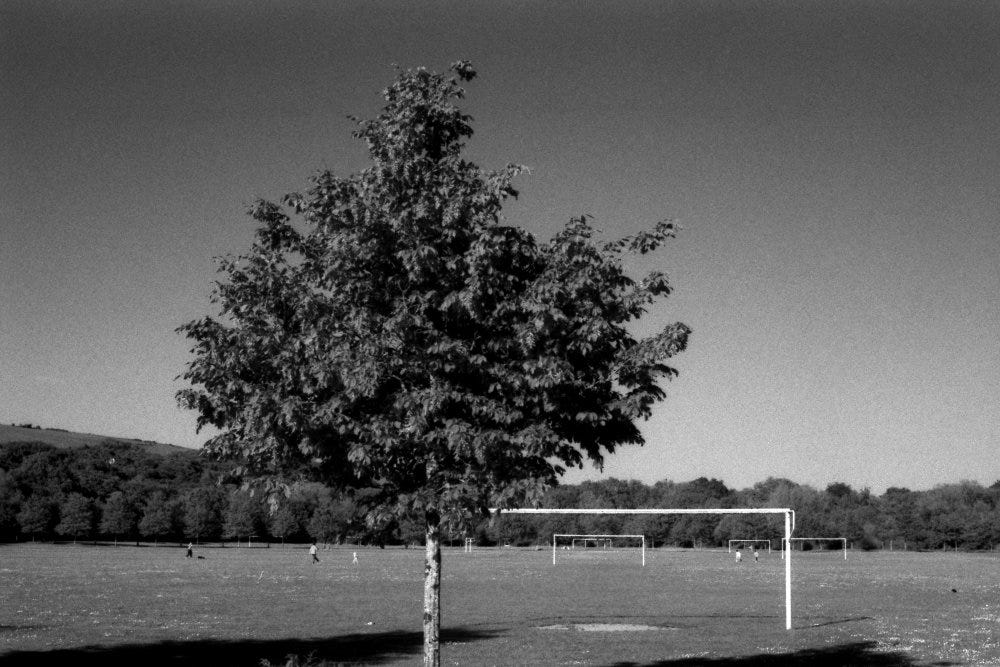
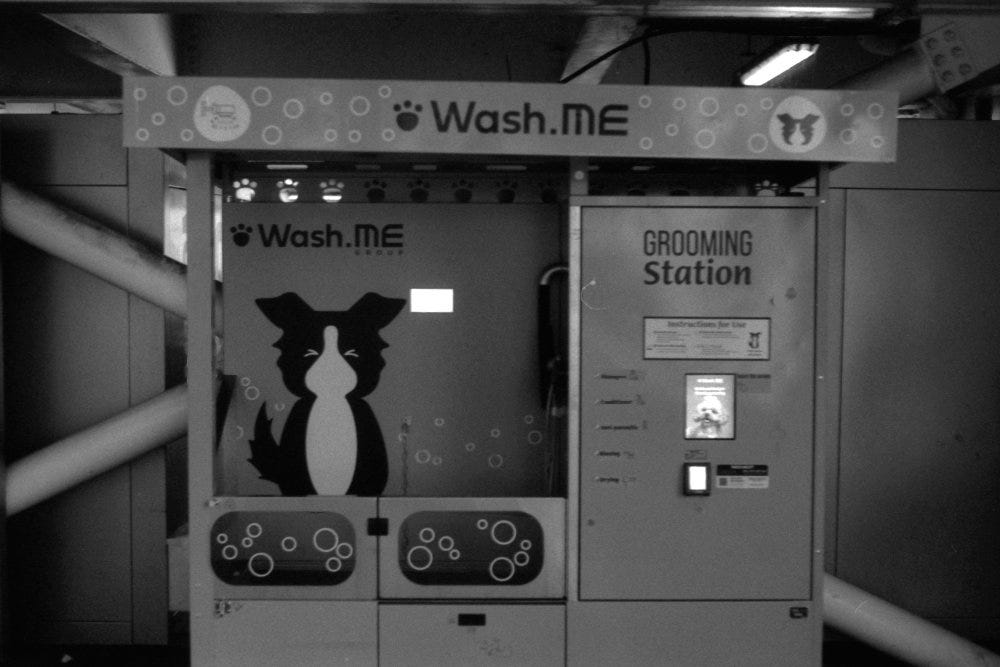
I leave you with some photos taken with Minolta X-700, an expired SFX film and a red filter.
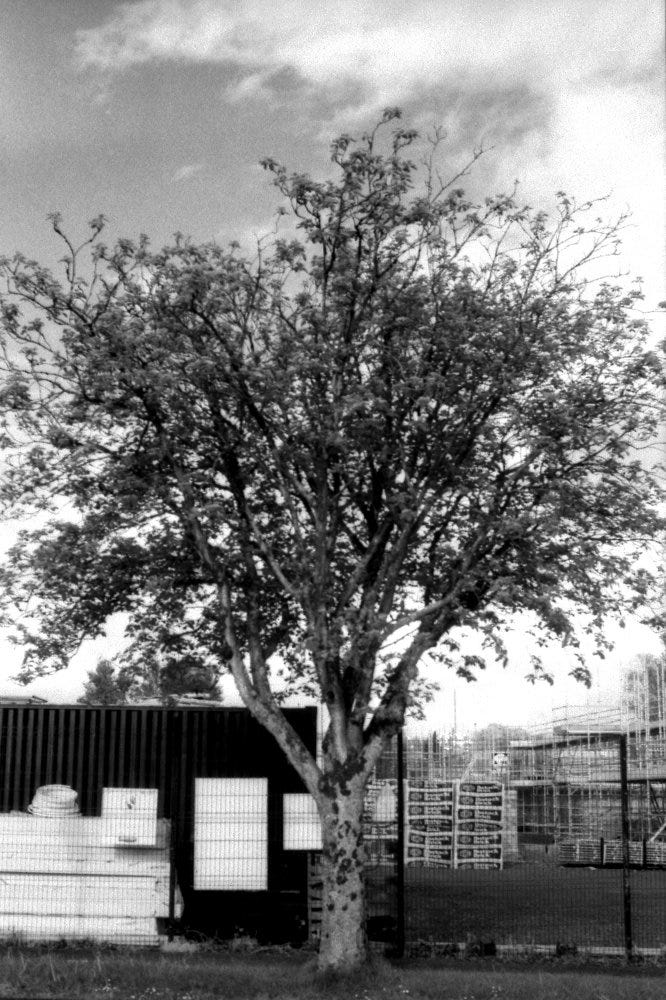


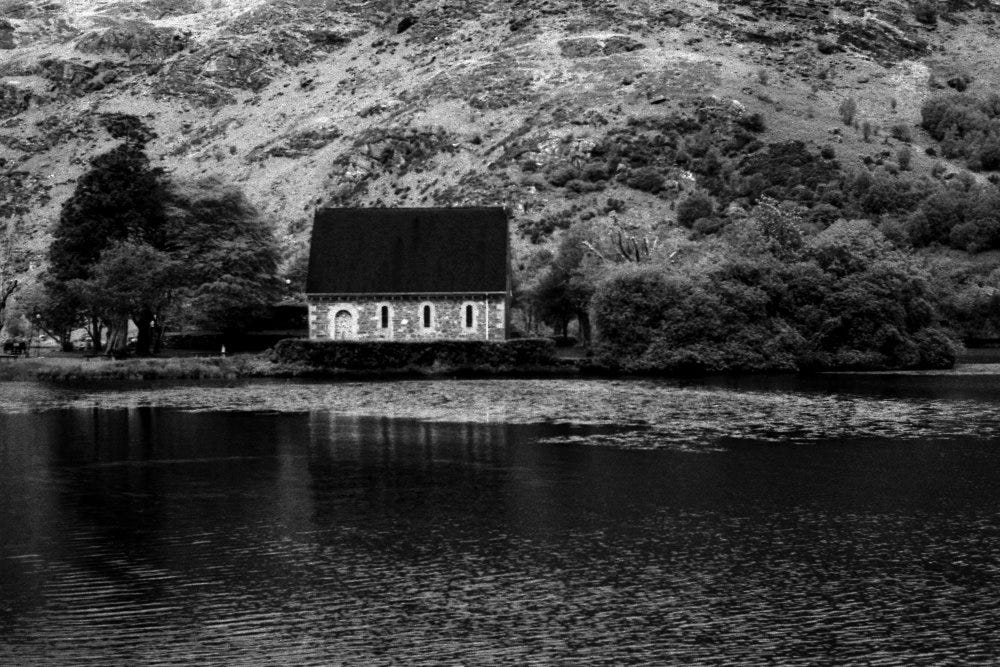
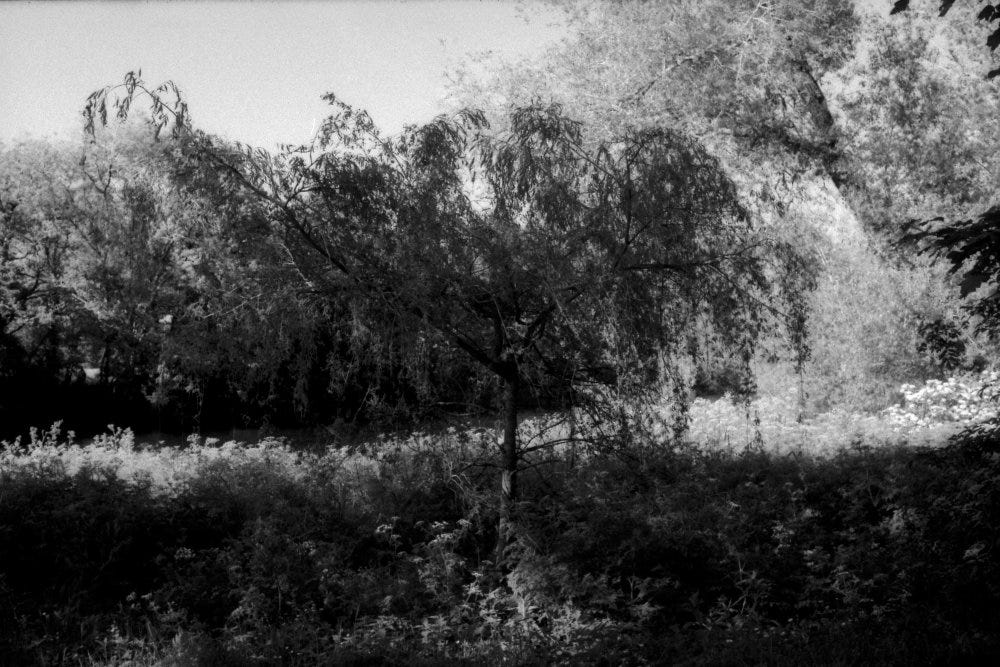
"Near infrared" is an industry term that based on application. There is near infrared (NIR), mid infrared (MIR), and far infrared (FIR). Both the Washi and SFX films are NIR films. At 700 nm wavelength on the spectrum, the light is no longer visible. True IR film has to be loaded and unloaded in complete darkness. There is no agreed upon science standard for the IR spectral range, but most industries have decided that IR begins around 780 nm. The chips used in digital cameras are highly sensitive to IR which is usually filtered out. Some third parties offer services to modify digital cameras by removing the IR filter in order to exclusively take IR images. As for how to use NIR films, I leave it up to you to do more research to discover that, but one hint is that you're barking up the wrong tree with regards to your subject matter.
My understanding is that SFX is not a true IR film but one that has extended sensitivity hence why unfiltered images look like any black and white film.